Trusted Plumbing Services in Tacoma for Homes and Businesses
Critical Plumbing Services: Ways to Maintain Your Home's Plumbing Systems
Preserving your home's plumbing setup is vital for overall functionality. Householders frequently face frequent challenges like clogs, leaks, and outdated fixtures. Routine checkups can reveal these challenges before they worsen. Recognizing the value of scheduled plumbing care can lead to considerable financial savings and greater comfort. However, numerous homeowners do not know how to find the best specialist or which services truly matter. Exploring these aspects can provide clarity and peace of mind for householders.
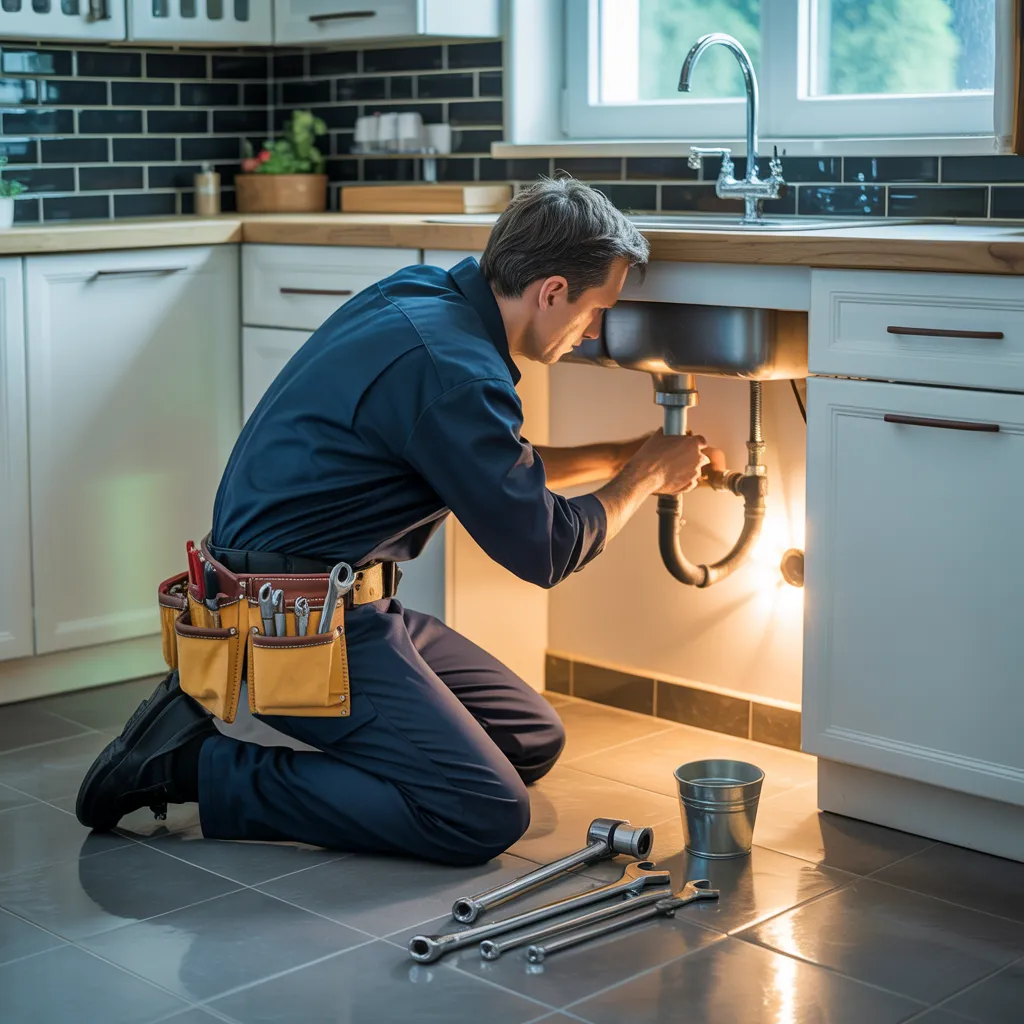
Common Plumbing Concerns Every Homeowner Faces
Homeowners frequently face a variety of plumbing issues that can impact day-to-day living. Common problems include faulty faucets, which not only result in water waste but also cause higher water bills. Blocked drains pose another common challenge, frequently stemming from hair, grease, or foreign objects obstructing the pipes. Moreover, toilet malfunctions, including persistent running or inadequate flushing, can cause considerable disruption.
Water heater failures may result in irregular hot water availability, affecting daily routines. Additionally, ruptured pipes may result in severe water-related damage, demanding urgent intervention. Finally, sewer line issues may lead to foul smells and possible health risks when not treated in a timely manner. Each of these problems, if left unresolved, can escalate into more serious issues, highlighting the importance of homeowners recognizing these frequent plumbing challenges.
Why Routine Plumbing Services Are Essential for Homeowners
Routine plumbing maintenance plays a critical role in keeping a home's plumbing system in optimal condition. Scheduled inspections and upkeep allow homeowners to detect problems before they develop into expensive repairs. By resolving minor leaks, deterioration, and obstructions in a timely manner, property owners can protect their homes from serious damage.
Additionally, regular maintenance enhances the long-term performance of plumbing fixtures and appliances, keeping them running smoothly. Such a preventative strategy not only reduces costs over time but also improves the quality of water and minimizes the chances of mildew and mold buildup.
Homeowners who prioritize routine plumbing upkeep can benefit from peace of mind, knowing that their plumbing systems are operating efficiently. Additionally, routine upkeep can result in improved property value, as prospective buyers often look for well-maintained plumbing systems. At the end of the day, scheduled plumbing services are a critical element of responsible homeownership.
Top Emergency Plumbing Services You Need to Know
What should you do when a plumbing emergency occurs? Homeowners often find themselves in panic mode, facing issues such as burst pipes, overflowing toilets, or severe leaks. To address these issues, a number of critical emergency plumbing services are necessary. First, 24/7 emergency response is imperative, ensuring that help is available round-the-clock. Furthermore, water damage restoration services work to lessen the consequences of flooding, safeguarding your property and personal items. Additionally, drain cleaning services can address sudden blockages that lead to backups, providing instant solutions. Leak detection services are also essential, locating concealed leaks before they develop into major issues. Finally, sewer line repairs can prevent serious health hazards by resolving root intrusion or pipe failures. Understanding these critical emergency plumbing services prepares homeowners to take fast and decisive action when problems emerge, protecting their properties and providing reassurance.
Choosing the Right Plumbing Professional
How can one guarantee they select the right plumbing professional for their needs? Commence your search by investigating nearby plumbers, giving preference to those with strong reviews and excellent ratings. A reputable plumber should possess the necessary licenses and insurance, securing compliance with local regulations and offering protection against potential liabilities.
Furthermore, consider their specialization and experience. A number of plumbers may focus on home-based work, while others specialize in commercial setups or certain plumbing problems. Gathering estimates from various experts can help assess costs and service offerings.
To conclude, communication is key; a reliable plumber should be open and friendly, prepared to respond to inquiries, and deliver transparent explanations of the required work. By keeping these points in mind, homeowners can make an informed choice about a plumbing professional who meets their specific needs and secures the reliable functioning of their home plumbing systems.
Helpful Tips for Preventing Plumbing Problems in Your Home
Choosing the most suitable plumber is just the beginning in keeping a healthy plumbing system. Homeowners can implement a variety of proactive steps to avoid plumbing concerns. Routinely checking pipes for corrosion or leaks is essential; early detection can save time and money. In addition, keeping drains clear of grease and debris will help maintain proper water flow. It is recommended to install strainers in sinks and bathtubs to trap food particles and hair. Homeowners should also be mindful about what is flushed down toilets, steering clear of materials that may cause clogs. Additionally, regular servicing, such as flushing the water heater to eliminate sediment buildup, can increase its longevity. Ultimately, knowing the location of the main water shut-off valve is vital for responding to emergencies quickly. By applying these practices, homeowners can significantly minimize the risk of unforeseen plumbing issues.
What to Expect During a Professional Plumbing Inspection
During a professional plumbing inspection, property owners can anticipate a thorough assessment of their plumbing systems. Plumbing inspectors commonly identify typical concerns such as corrosion, leaks, and clogs, while also providing essential maintenance recommendations. This assessment not only reveals present concerns but also assists in avoiding future plumbing issues.
Inspection Process Summary
A thorough plumbing inspection is essential for upholding the quality of a residential plumbing system. Throughout the evaluation, a certified plumber evaluates multiple components, including appliances, pipes, and fixtures. The procedure begins with a visual assessment to identify any obvious issues, followed by pressure evaluations to establish that the system has no leaks. The plumber may also make use of specialized camera equipment to examine concealed pipes, offering a comprehensive view of the plumbing infrastructure. Both water flow and drainage undergo testing to confirm maximum efficiency. Additionally, the licensed inspector confirms conformity with applicable local regulations and codes. Residents are given a complete written report summarizing the findings, which aids in ongoing maintenance and future repairs. This proactive approach works to prevent view now expensive plumbing emergencies.
Common Issues Identified
Recognizing frequent plumbing problems is a critical aspect of a professional inspection. During an assessment, technicians commonly search for leaks in pipes, which can result in water damage and mold growth. Obstructed drains are another frequent concern, frequently caused by the buildup of debris or invasive tree roots. Moreover, aging fixtures, such as faucets and toilets, may display evidence of damage, including oxidation and surface degradation. Inspectors also evaluate pressure levels within the water system, confirming they remain within proper parameters, as both excessive and insufficient pressure can indicate underlying problems. In addition, they assess the overall condition of the heating unit, identifying any indications of corrosion or leakage. Resolving these typical concerns in a timely manner can mitigate the risk of severe damage and high repair costs down the line.
Important Maintenance Tips
Routine plumbing inspections offer homeowners with important information about the condition of their systems. During a comprehensive plumbing inspection, plumbers assess key components such as pipes, faucets, and water heaters. They identify leaks, blockages, and evidence of deterioration, which can result in expensive repairs if ignored. Homeowners can anticipate guidance on maintaining peak performance, including routine water pressure checks and drain cleaning. Inspectors frequently assess the overall plumbing layout to identify potential issues before they escalate. It is beneficial to plan inspections annually or bi-annually to guarantee systems remain in good working order. By adhering to these maintenance tips, homeowners can extend the life of their plumbing systems and eliminate unforeseen plumbing crises.
Questions We Often Receive
How Frequently Should I Replace My Plumbing Fixtures?
Specialists suggest swapping out plumbing fixtures every 10–15 years, according to use and maintenance habits. Routine inspections can identify wear and tear, helping to maintain efficiency and avoid expensive repairs or water damage over time.
What Are the Signs of Hidden Plumbing Leaks?
Signs of hidden plumbing leaks include water discoloration on walls or ceilings, sudden rises in water bills, mold-related or moisture odors, and the persistent sound of flowing water. Early detection prevents further damage and costly repairs.
Is It Safe to Use Chemical Drain Cleaners?
Using chemical drain cleaners can be risky; these products can deteriorate pipes and become hazardous if improperly handled. Following instructions diligently or opting for alternative solutions when clearing blockages is strongly encouraged to promote safety and reliable results.
Where Can I Find My Main Water Shut-Off Valve?
To locate the main water shut-off valve, one should check around the exterior walls of the home, typically in basements, crawl spaces, or garages. It generally looks like a round or lever-type valve linked to the main water supply line.
What Actions Should I Take in a Plumbing Emergency?
When faced with a plumbing emergency, you should immediately turn off the main water supply, assess the situation, use towels or buckets to contain any leaks, and reach out to a licensed plumber for immediate assistance and repairs.